How to Deal with a Breakup and Get Your Life Back on Track
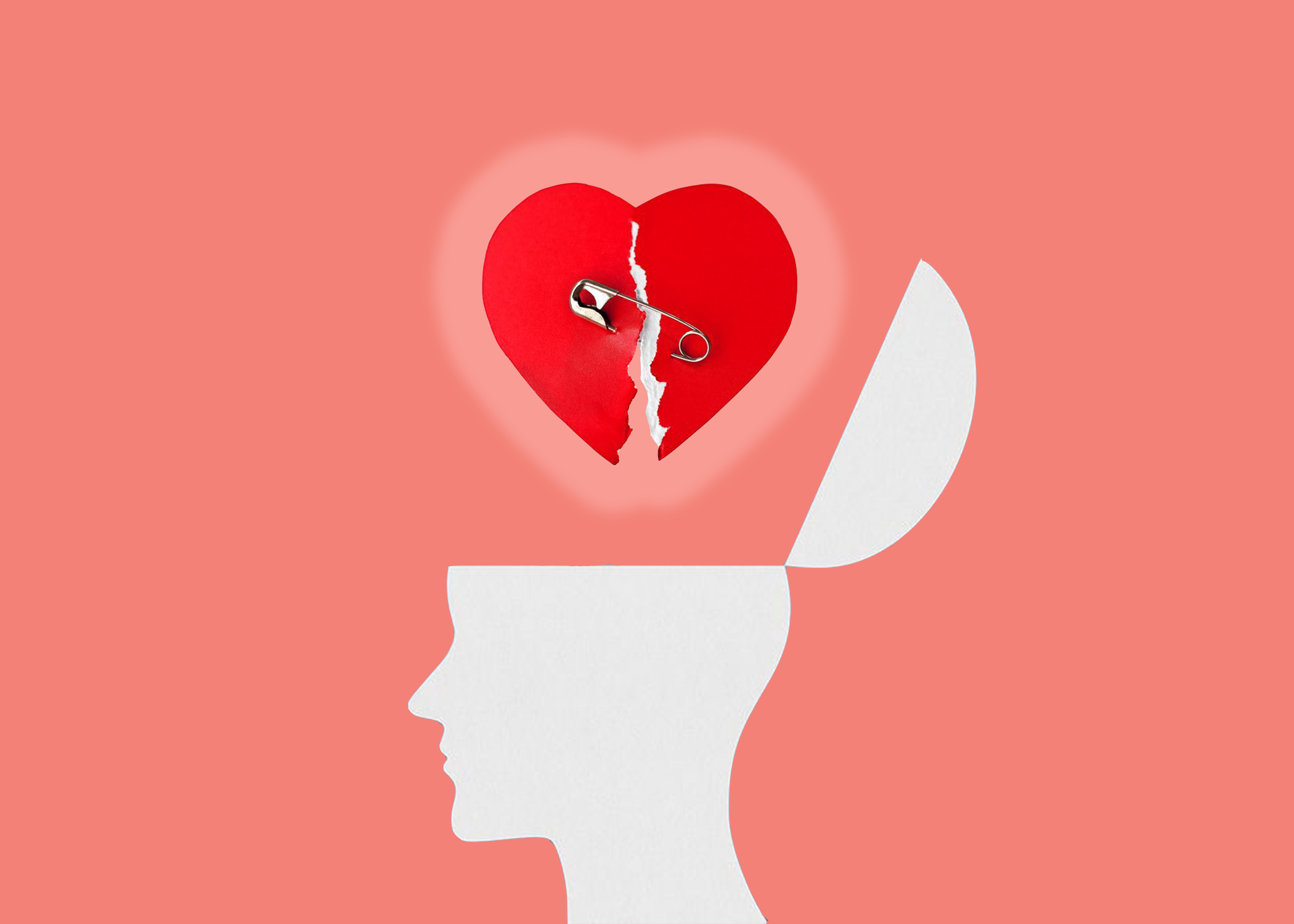
Navigating the Aftermath of a Breakup: A Comprehensive Guide to Recovery and Personal Growth
The termination of a romantic relationship, regardless of its duration or intensity, can be a profoundly disruptive and emotionally challenging experience. The feelings of grief, loss, anger, and confusion are entirely normal responses to such a significant life transition. However, the experience of heartbreak does not necessitate a prolonged period of stagnation. With the appropriate strategies and a commitment to self-care, individuals can navigate the complexities of a breakup and ultimately emerge stronger, wiser, and more resilient.
Understanding the Emotional Landscape of a Breakup
The initial phase following a breakup is often characterized by a complex interplay of emotions. It's crucial to acknowledge and validate these feelings rather than attempting to suppress or ignore them. Denial, anger, bargaining, depression, and acceptance â€" the five stages of grief, while not always linear, provide a framework for understanding the emotional trajectory.
Acknowledging and Processing Grief
Allow yourself to grieve the loss of the relationship. This involves acknowledging the pain, sadness, and disappointment without judgment. Suppressing these feelings can prolong the healing process. Engaging in healthy coping mechanisms, such as journaling or talking to a trusted friend or therapist, can facilitate emotional processing.
Managing Anger and Resentment
Anger and resentment are common responses to a breakup, particularly if the termination was unexpected or perceived as unfair. It's essential to express these feelings in a healthy manner, avoiding actions that could harm oneself or others. Consider channeling negative emotions into constructive activities like exercise or creative expression.
Navigating Feelings of Rejection and Self-Doubt
Breakups can trigger feelings of rejection and self-doubt, especially if the individual internalizes the separation as a personal failing. It's important to challenge these negative self-perceptions and cultivate self-compassion. Remember that the termination of a relationship does not diminish one's inherent worth or value.
Strategies for Emotional Healing and Self-Care
The healing process following a breakup requires a multifaceted approach that encompasses emotional, physical, and social well-being. Prioritizing self-care is paramount during this vulnerable period.
Prioritizing Physical Health
Maintaining a healthy lifestyle is crucial for both physical and emotional well-being. Ensure adequate sleep, nutrition, and regular exercise. Physical activity releases endorphins, which have mood-boosting effects. Avoid excessive consumption of alcohol or other substances as a coping mechanism, as these can exacerbate emotional distress.
Cultivating a Supportive Social Network
Leaning on a strong support system is essential during times of emotional distress. Spend time with loved ones who provide empathy, understanding, and encouragement. Avoid isolating oneself, as social connection plays a vital role in emotional healing. Consider joining support groups or connecting with others who have experienced similar situations.
Engaging in Self-Reflection and Personal Growth
Use this time as an opportunity for self-reflection and personal growth. Examine the dynamics of the past relationship and identify patterns or behaviors that contributed to its demise. This process can provide valuable insights and inform future relationships. Engage in activities that promote self-discovery and personal development, such as pursuing hobbies, learning new skills, or exploring personal interests.
Seeking Professional Support
If the emotional distress proves overwhelming, seeking professional help is a sign of strength, not weakness. A therapist or counselor can provide a safe and supportive space to process emotions, develop coping strategies, and work through underlying issues contributing to emotional difficulties. Therapy can be particularly beneficial for individuals struggling with prolonged grief, depression, or anxiety following a breakup.
Reclaiming Your Identity and Moving Forward
After a breakup, it's common to experience a sense of identity loss, particularly if the relationship was long-term or deeply intertwined. Reclaiming one's sense of self requires actively re-engaging with personal interests, goals, and aspirations.
Re-establishing Independence and Autonomy
Rediscover your independence and autonomy by engaging in activities that bring you joy and fulfillment. Pursue personal interests, reconnect with hobbies, and spend time on activities that nurture your sense of self. This process of self-discovery can be empowering and help you redefine your identity outside the context of the relationship.
Setting Healthy Boundaries
Establishing healthy boundaries is crucial for moving forward. This involves limiting contact with the ex-partner, avoiding social media stalking, and protecting your emotional well-being. Setting clear boundaries helps to create space for healing and prevents the prolongation of emotional distress.
Focusing on Future Goals and Aspirations
Shift your focus towards the future and set new goals and aspirations. This could involve pursuing educational opportunities, advancing your career, or exploring new personal interests. Having something to look forward to provides motivation and a sense of purpose during a challenging time. Breakups can be catalysts for positive change and personal growth, offering the opportunity to pursue dreams and aspirations that may have been neglected during the previous relationship.
Avoiding Common Pitfalls During the Healing Process
The journey to recovery after a breakup is not without its potential obstacles. Being aware of common pitfalls can help navigate these challenges effectively.
In conclusion, navigating the aftermath of a breakup is a process that requires patience, self-compassion, and a commitment to self-care. By utilizing the strategies outlined in this guide, individuals can effectively manage the emotional challenges, reclaim their sense of self, and ultimately emerge stronger and more resilient. Remember that healing takes time, and seeking support when needed is a sign of strength, not weakness. The experience of heartbreak, while undeniably painful, can also serve as a catalyst for personal growth and the creation of a more fulfilling future.


Comments
Post a Comment