Should I Get Back with My Ex? Signs It Could Be a Healthy Decision
Should I Get Back with My Ex? Signs It Could Be a Healthy Decision
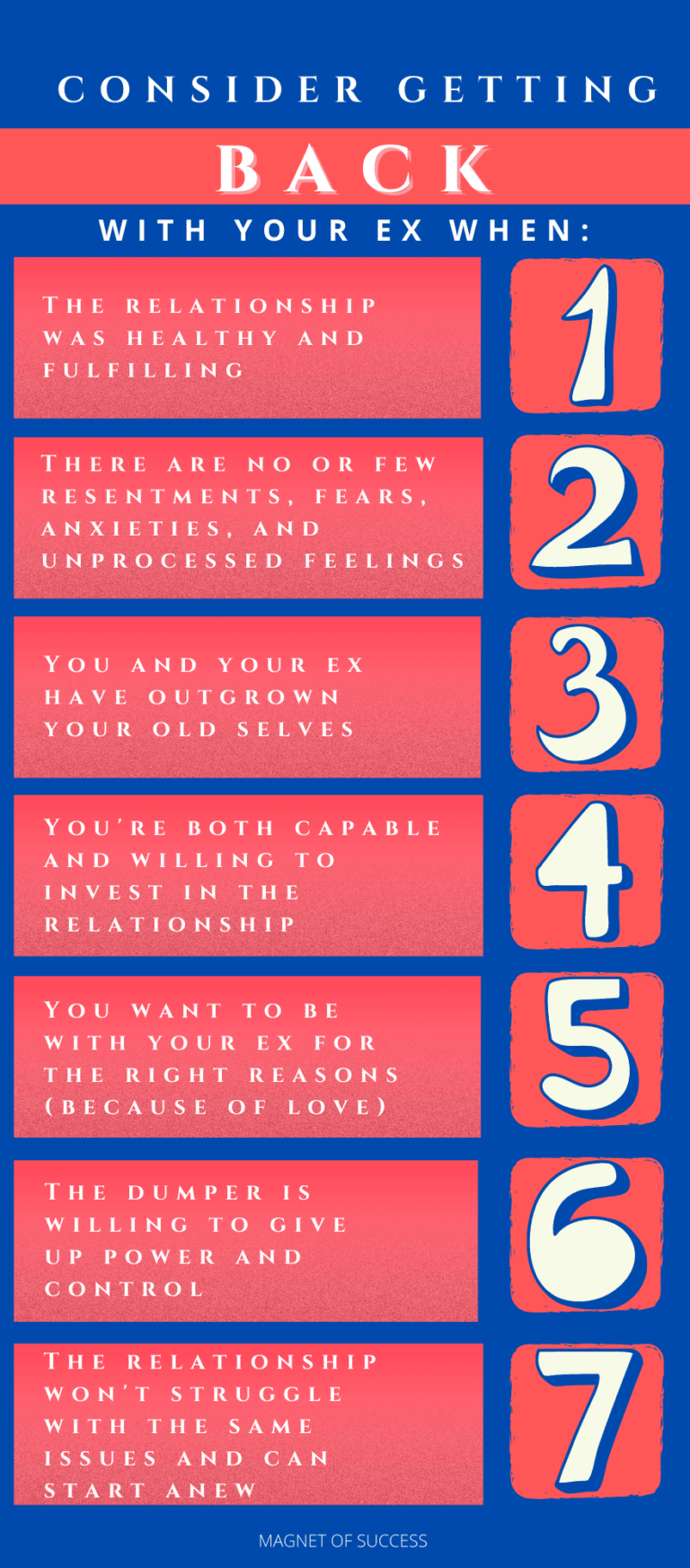
The breakup. It’s a gut-wrenching experience, leaving you questioning everything. Now, months or even years later, your ex is back in the picture, and you’re wrestling with the monumental decision of whether to rekindle the flame. This isn't about clinging to the past; it's about honestly assessing whether a renewed relationship could be healthy and fulfilling. Jumping back in without careful consideration can lead to more heartache, but a conscious, informed decision could lead to lasting happiness. This article explores the signs that suggest a reconciliation might actually be a positive step.
Significant Personal Growth and Self-Reflection
Before considering a reunion, both partners must undergo significant personal growth since the separation. This isn't about simply saying "I've changed," it's about demonstrably showing it. Did you actively address the issues that contributed to the breakup? Did you seek therapy, work on personal insecurities, or develop healthier coping mechanisms? Honest self-reflection is paramount. Did you understand your role in the relationship's demise and take concrete steps to overcome those shortcomings? If you haven't addressed the root causes of the previous issues, reuniting will likely lead to a repeat of past mistakes.
Identifying and Addressing Past Issues
Consider these questions: Did you address communication problems? Did you learn to manage conflict constructively? Did you work on trust issues? These are not merely rhetorical questions; they require honest and introspective answers. If the answer to any of these is "no," then more work is needed before considering a reconciliation. Taking responsibility for your past actions and demonstrating tangible changes is crucial for a healthier future together.
Mutual Respect and Open Communication
A foundation of mutual respect is non-negotiable for any successful relationship, and it's even more critical when considering a reconciliation. Do you genuinely respect your ex's values, beliefs, and aspirations, even when they differ from your own? Open communication is equally important. Can you have difficult conversations without resorting to defensiveness or blame? Can you actively listen to your ex's perspective, even if you don't agree with it? A willingness to communicate openly and honestly, even about painful subjects, is a vital indicator of a potentially healthy reunion. If communication remains strained or fraught with negativity, the relationship is likely to falter once more.
Clear Expectations and Shared Goals
Beyond respect and communication, shared goals and expectations are vital. Have you both had time to define what you want from the relationship this time around? Do your life goals align? Are you both on the same page regarding future plans, such as marriage, children, or career aspirations? Openly discussing these crucial aspects will prevent future disagreements and ensure you're both on the same path.
External Circumstances and Support Systems
Sometimes, external factors contributed to the breakup. Have these circumstances changed? For example, was financial stress or geographical distance a significant factor? If these external pressures have been resolved, it could create a more favorable environment for a successful reunion. Furthermore, consider the support systems you both have. Do your families and friends support the idea of getting back together? A strong support network can provide invaluable guidance and assistance during challenging times.
Seeking Professional Guidance
Don't underestimate the value of professional help. Couples therapy can provide a safe and neutral space to work through lingering issues and develop healthy communication patterns. A therapist can offer valuable insights and tools to navigate the complexities of reconciliation, increasing your chances of success.
The Final Verdict: Proceed with Caution and Intention
Reconciling with an ex isn't a decision to be taken lightly. It requires careful consideration, honest self-reflection, and a commitment to building a healthier relationship than before. If you've addressed past issues, cultivated strong communication skills, and have a solid foundation of mutual respect, then a reunion could potentially be a positive step. However, proceed with caution, prioritize open communication, and remember that even with the best intentions, things might not work out. Be prepared for the possibility of the relationship not succeeding, and remember that it's okay to move on if it's not the right fit, even after a second attempt.


Comments
Post a Comment